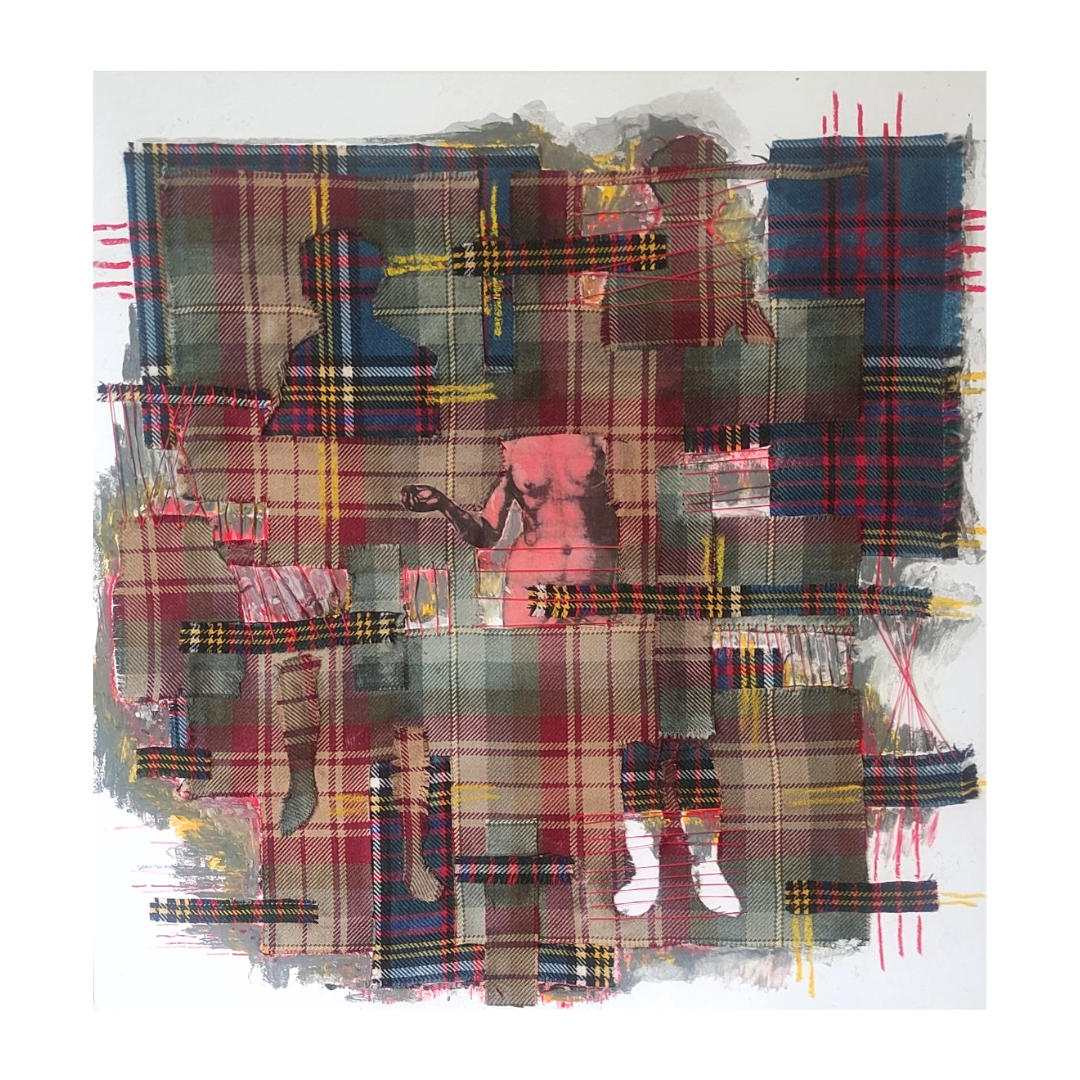
When Eve Passed Borders
Line of Inquiry
Pattern, belonging, repetition, and soft regulation.
Introduction
When Eve Passed Borders explores how cultural norms often operate quietly rather than through direct prohibition.
Instead of asking what the body is allowed or forbidden to do, this chapter asks a different question: How does a body learn to become ordinary?
In many places, regulation is embedded in repetition. It appears through clothing, domestic rituals, familiar landscapes, inherited patterns, and shared expectations that rarely announce themselves as rules.
This chapter investigates those subtle visual structures and the ways they shape visibility long before formal authority becomes necessary.
Central Question
How do repetition and belonging regulate visibility?
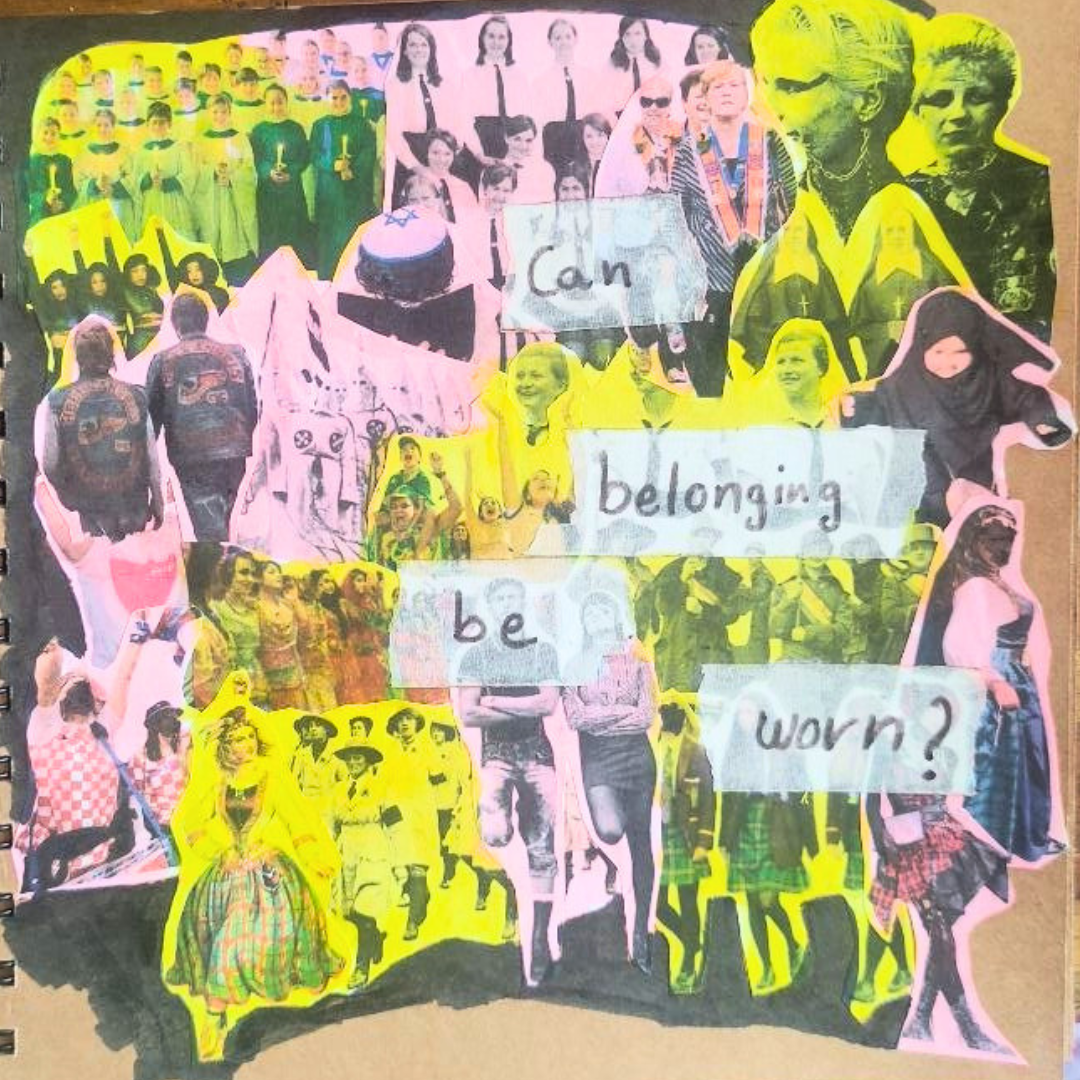
Notebook Page - Pattern is never only decoration. It teaches the body how to belong.
Research Directions
Pattern and repetition
Clothing and uniforms
Carpets and woven structures
Domestic textiles
Rural bodies
Rural landscapes
Everyday rituals
Belonging and social conformity
Current Investigation
Pattern Logic - Scottish Borders (In Progress)
The current investigation begins in the Scottish Borders, where landscape, textile traditions, and everyday routines provide a context for exploring how repetition produces familiarity, and how familiarity gradually becomes a form of regulation.
Rather than treating pattern as decoration, this research approaches it as a visual system that organises behaviour, identity, and visibility.
Counter-Archive in Progress
Current material includes:
archival image gathering
visual research notebook
analogue collage studies
material experiments
field observations
Project Manifestations
Current developments include:
Hugo Burge Foundation Residency Proposal
Skyboat Residency Proposal
Live Borders presentation proposal
These proposals are treated as different manifestations of the same ongoing investigation rather than separate projects.
Looking Forward
This chapter is intended to expand beyond Scotland.
Future investigations may explore other visual cultures where repetition organises belonging through different materials and traditions, including clothing, carpets, domestic ornament, uniforms, and other patterned systems that quietly shape how bodies become visible.
Investigations
Current investigations connected to this line of inquiry will gradually appear here.